


Bolivian Rainbow Pepper Seeds
Looking to add a bunch of color and a decent amount of heat to the garden? Boom. Bolivian Rainbow.
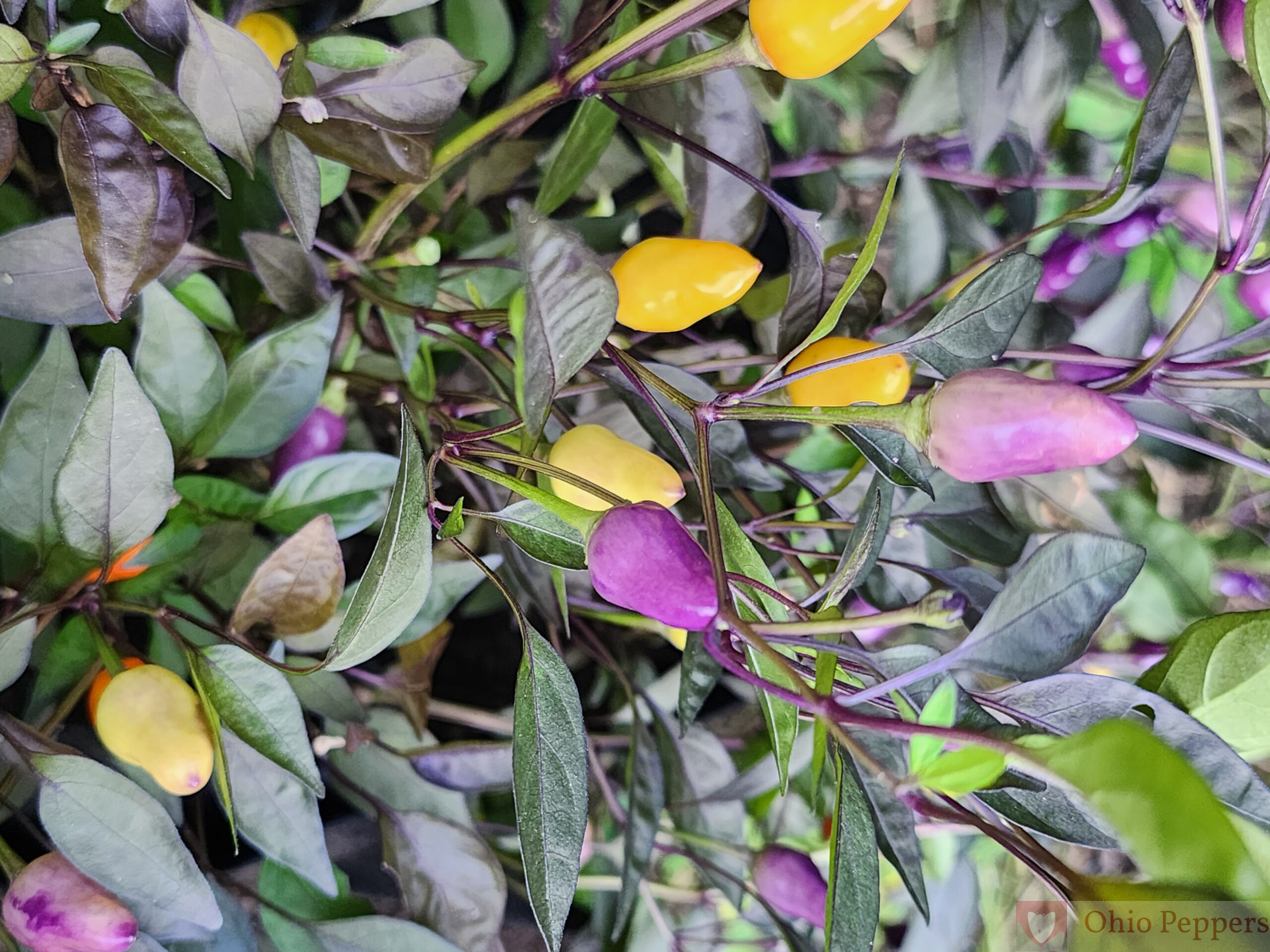
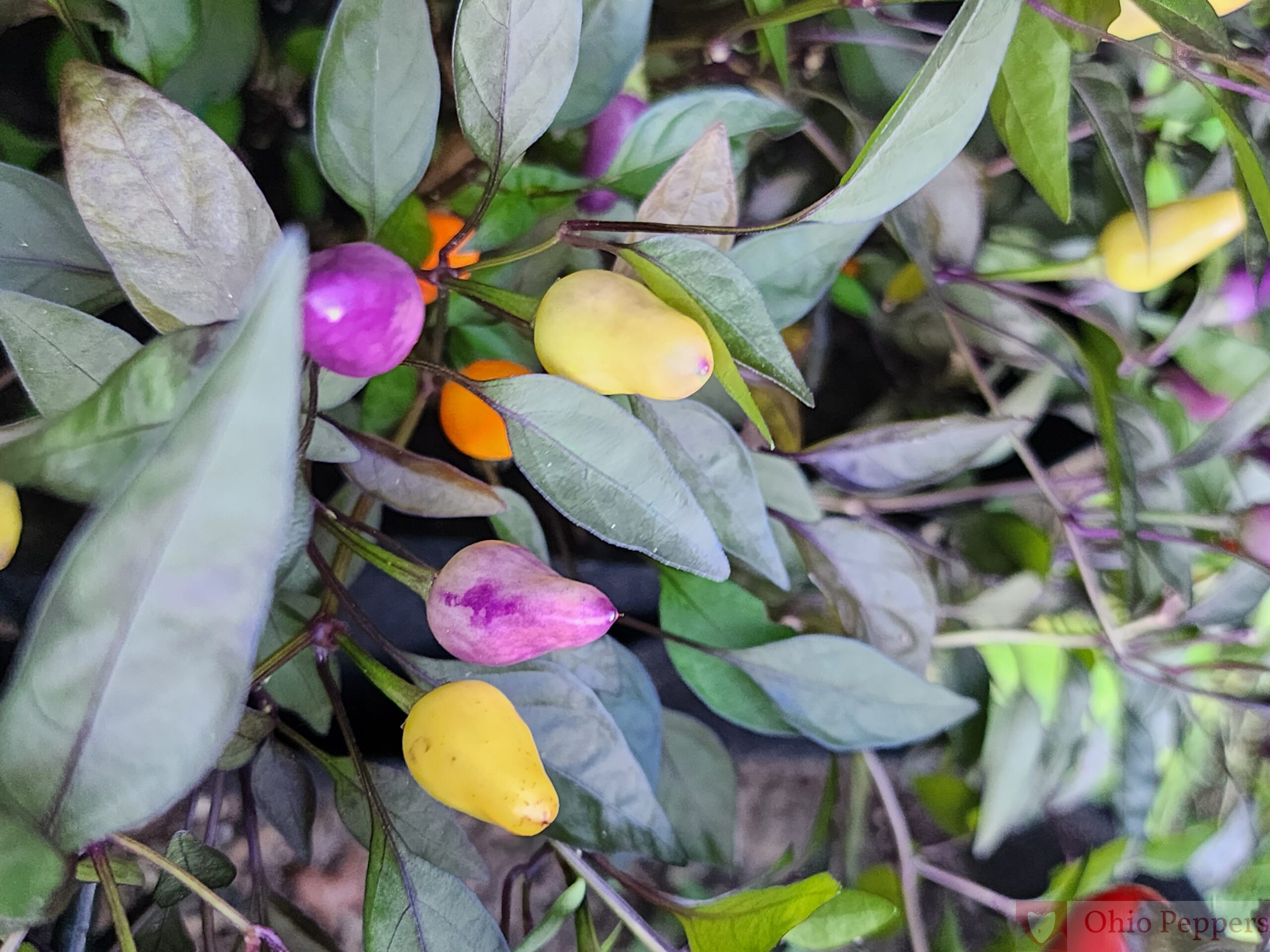
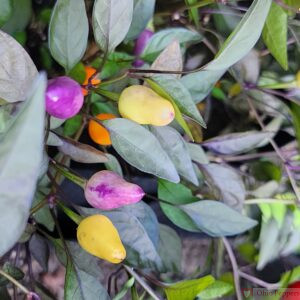
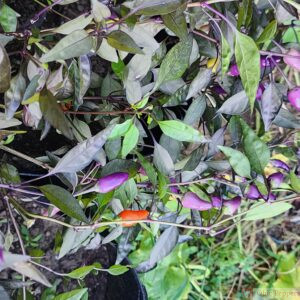
This Capsicum annuum comes from South America and produces small, tear-shaped peppers that change from creamy white to purple, then golden yellow, orange, and finally red. You will usually have several colors on the plant at the same time. If you like the look of this one, check out the Chinese Five Color too.
What Does the Plant Look Like?
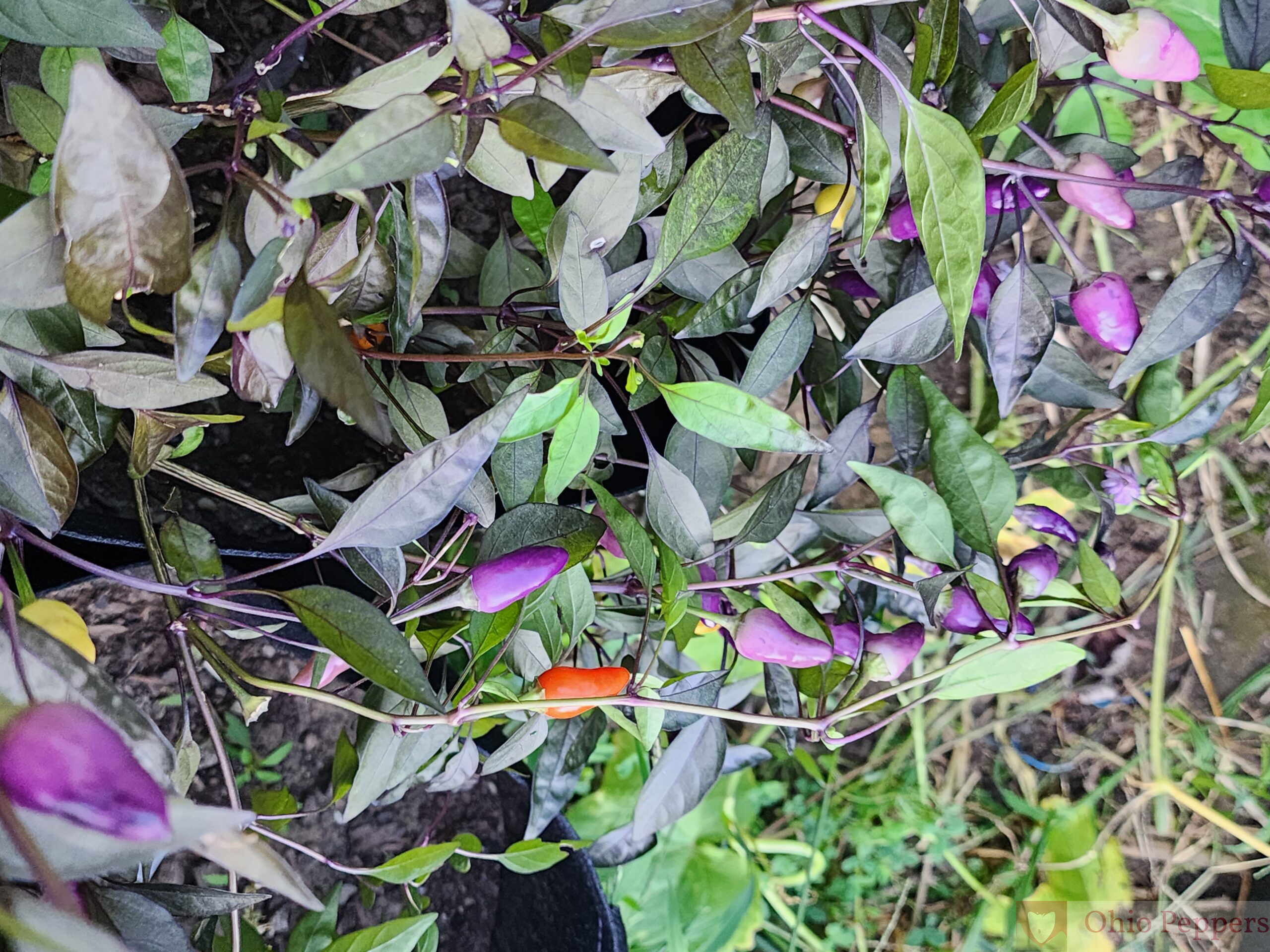
Bolivian Rainbow stays fairly small and bushy, usually topping out around 30 inches. That makes it a really nice container pepper.
During the summer, a good plant can be covered in dozens of peppers at different stages of ripening. It honestly looks a little like someone hung tiny Christmas lights all over it. The purple foliage and blossoms help too.
This is one of those peppers that can get away with being planted right in the landscaping. It does not really look out of place next to flowers.
How Hot Are Bolivian Rainbow Peppers?
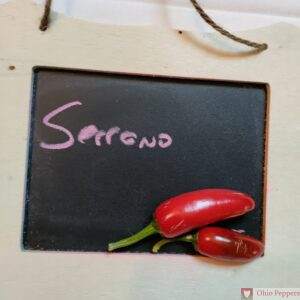
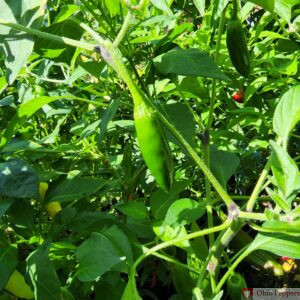
Heat is usually listed somewhere around 10,000 to 30,000 SHU. That puts it in roughly Serrano territory and hotter than the average Jalapeno.
Flavor is pretty simple. Slightly grassy, a little sweet, and a little tart. Think along the lines of a hotter Bell Pepper, although thinner and obviously much smaller.
I am not going to oversell the flavor here. There are much better tasting peppers. We grow Bolivian Rainbow because it looks awesome.
Culinary Uses
The different colors look great chopped into fresh salsa. They also pickle well and can be dried for flakes or powder.
About 24 hours in a low-temperature dehydrator, somewhere around 100°F, usually gives us a nice dry pepper. Crush them into flakes or grind them into powder and you are set.
Full transparency, the looks are the main attraction here. Flavor is secondary. With the dark foliage and all those different colored peppers, this is one of the easiest hot peppers to use as an ornamental.
For growing, start the seeds warm in a decent seed-starting mix. Once they are established, give them plenty of light. Transplant outside after the threat of frost has passed. Better yet, wait until overnight temperatures are consistently around 50°F or higher. If they were started indoors, harden them off first. Going straight from grow lights to full summer sun is a good way to make a pepper plant very unhappy.
Once outside, full sun and decent drainage will do the trick.
20+ seeds per pack


Reviews
There are no reviews yet